UAE Cities Guide: Major Hubs, Northern Emirates, and Hidden Urban Gems
Explore key UAE cities: Dubai, Abu Dhabi, Sharjah, Al Ain & more for travel and living.
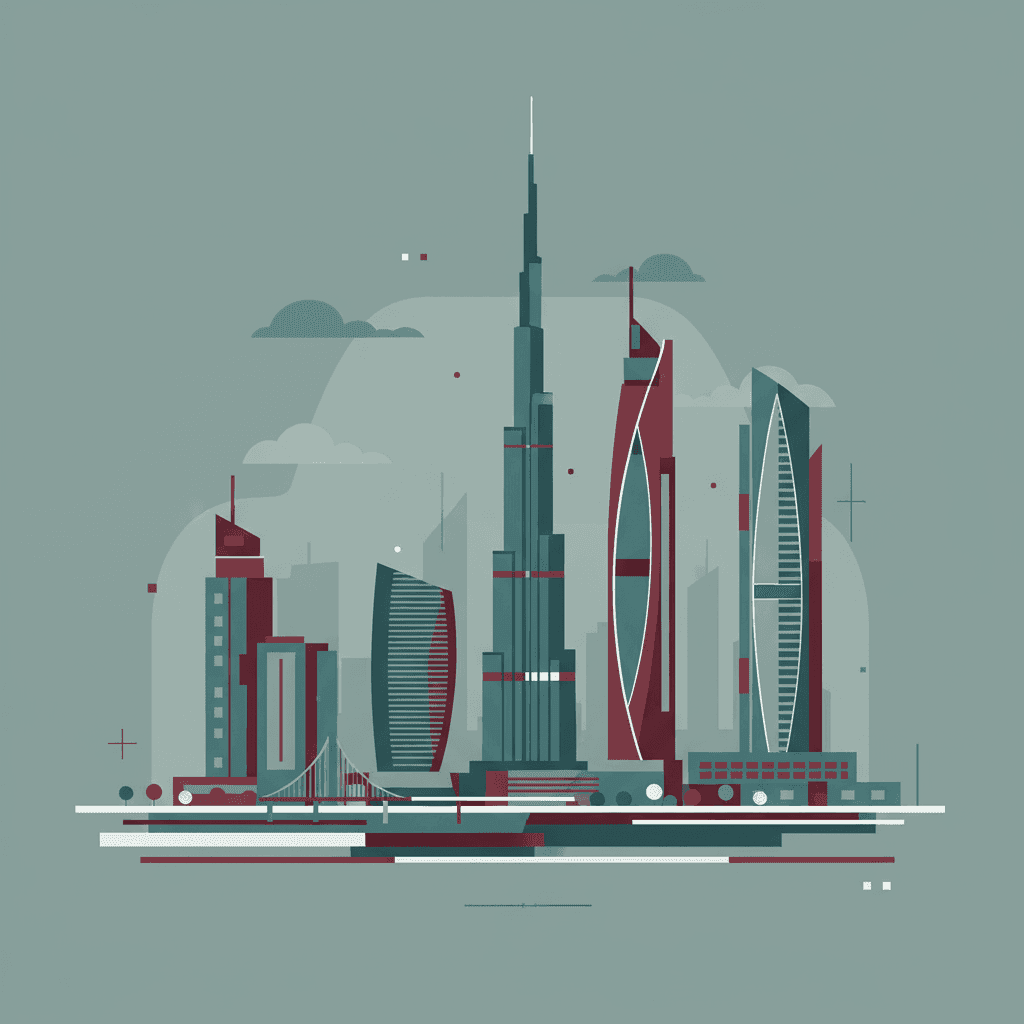
If you think the United Arab Emirates begins and ends with Dubai, you’re missing most of the story. The UAE is a federation of seven emirates, each with its own capital city, plus a few extra urban centers that completely change how you experience the country.
In this guide, you’ll walk through the main cities in the United Arab Emirates, how they fit together, and which UAE cities make the most sense for you—whether you’re planning a trip, scoping locations as an expat, or simply curious about how this small country packs in so much variety.
Overview: How UAE Cities Are Structured
The UAE is a federation of seven emirates:
- Abu Dhabi
- Dubai
- Sharjah
- Ajman
- Ras Al Khaimah
- Fujairah
- Umm Al Quwain
Each emirate has a capital city that usually shares its name. When people talk about “UAE cities” or search for a “list of cities in United Arab Emirates,” they’re usually referring to:
- The seven emirate capitals (Abu Dhabi City, Dubai, Sharjah City, Ajman City, Ras Al Khaimah City, Fujairah City, Umm Al Quwain City)
- Plus a handful of other important urban centres like Al Ain and Khor Fakkan
Think of it as three layers:
- Global hubs: Abu Dhabi City and Dubai
- Northern emirates capitals: Sharjah, Ajman, Ras Al Khaimah, Fujairah City, Umm Al Quwain
- Other notable UAE cities: Al Ain and Khor Fakkan
This structure matters when you compare UAE cities by population, lifestyle, or investment potential. The two biggest cities dominate the headlines, but the smaller emirate capitals and secondary cities are where you often find better value, quieter lifestyles, and very specific cultural or nature experiences.
The Two Major Hubs: Abu Dhabi City and Dubai
The largest cities in UAE by influence and visibility are, unsurprisingly, Abu Dhabi City and Dubai. They set the tone for the rest of the country.
Abu Dhabi City: National Capital and Cultural Powerhouse
Abu Dhabi City is the capital city of the UAE and the seat of federal government. It’s also the capital of the Emirate of Abu Dhabi, the largest and wealthiest emirate by land and hydrocarbons.
Compared with Dubai, Abu Dhabi feels more measured and institutional. You notice:
- Wide, well-planned boulevards
- Long waterfront corniches and public beaches
- Embassies, ministries, and corporate headquarters concentrated in a few key districts
From a “UAE cities guide” perspective, Abu Dhabi is the place where politics, culture, and energy come together.
Signature highlights:
- Sheikh Zayed Grand Mosque: one of the world’s largest mosques, with white marble domes, chandeliers, and mirror-like pools
- Louvre Abu Dhabi on Saadiyat Island: a world-class museum under an iconic floating dome
- Qasr Al Watan: the presidential palace, open to visitors and showcasing governance, calligraphy, and Islamic design
- Yas Island: Formula 1 circuit, major theme parks, and large-scale entertainment venues
If you’re comparing where to live in UAE, Abu Dhabi City typically attracts people who want a more grounded, government- and corporate-centric environment with big cultural institutions and family-friendly neighborhoods.
Dubai: Futuristic Global Metropolis
Dubai is the best-known of all UAE cities. It’s the emirate capital of Dubai and a global brand in its own right—a city built on trade, tourism, logistics, and finance.
The city’s personality is clear the moment you see the skyline: hyper-modern, ambitious, and constantly under construction. You get:
- Skyscraper corridors along Sheikh Zayed Road
- Master-planned communities stretching out into the desert
- One of the world’s busiest airports and airlines anchoring its connectivity
Iconic highlights:
- Burj Khalifa: the world’s tallest building with sweeping observation decks
- The Dubai Mall: one of the world’s largest malls, with an aquarium, ice rink, and endless retail
- Palm Jumeirah: palm-shaped artificial island lined with hotels and residences
- Dubai Fountain: daily water and light shows at the base of Burj Khalifa
When you see rankings like “top 10 cities in UAE” or “best cities to visit in UAE,” Dubai almost always sits at number one for international tourism, nightlife, and business opportunities.
The Northern Emirates: Culture, Coastline, and Adventure
North of Dubai and Abu Dhabi, five smaller emirates stretch along the coast and into the mountains. These northern emirates cities are often more relaxed, more affordable, and closer to nature.
Sharjah City: Cultural Capital of the Arab World
Sharjah City is the capital of the Emirate of Sharjah and often features in any serious list of cities in UAE as the country’s intellectual and cultural counterweight to Dubai.
Recognized by UNESCO as the “Cultural Capital of the Arab World”, Sharjah focuses heavily on heritage, education, and the arts. You notice:
- Dozens of museums and cultural foundations
- Restored heritage districts and traditional souqs
- A generally more conservative, family-oriented social atmosphere
Key places to know:
- Sharjah Art Museum: a major regional art institution
- Sharjah Heritage Area: restored traditional houses and cultural spaces
- Al Noor Island: landscaped island with gardens, sculptures, and a butterfly house
If you value culture, libraries, and museums over glitzy malls, Sharjah belongs on your personal list of the best cities in UAE for culture.
Ajman City: Laid-Back Coastal Emirate
Ajman is the smallest emirate by area, and Ajman City reflects that scale: compact, coastal, and laid-back.
Compared with the region’s biggest cities, Ajman offers:
- A slower pace of life along the corniche
- Mostly mid-rise residential buildings and smaller local businesses
- More budget-friendly housing options while still being commutable to Sharjah or Dubai
What stands out in Ajman:
- Ajman Museum: in an 18th-century fort, covering local history and archaeology
- Ajman Corniche: a popular promenade with cafes and public beach areas
- Traditional dhow shipyards: one of the last places in the UAE where wooden boats are still built
In a UAE city comparison, Ajman often appeals to families and long-term residents who want a quieter, more affordable base that still taps into the wider metropolitan job market.
Ras Al Khaimah City: Mountains, Coast, and Adventure Tourism
Ras Al Khaimah City is the capital of the northernmost emirate, often shortened to RAK. It sits between the Arabian Gulf coast and the rugged Hajar Mountains, making it a standout among UAE cities for adventure.
The city itself combines seaside neighborhoods with new resorts and suburban areas, but its biggest draw is the surrounding landscape.
Adventure and nature highlights:
- Jebel Jais: the UAE’s highest peak, with mountain roads, viewpoints, and the famous long zipline
- Dhayah Fort: a historic hilltop fort with views across palm groves and coastline
- Suwaidi Pearl Farm: reviving the region’s pearl-diving heritage
If you’re building an itinerary beyond the usual Dubai–Abu Dhabi loop, Ras Al Khaimah is one of the most interesting northern emirates cities for hiking, cooler temperatures, and quieter beach resorts.
Fujairah City: Gulf of Oman Port with Mountain Backdrop
Fujairah City is the capital of Fujairah, the only emirate whose coastline is entirely on the Gulf of Oman rather than the Arabian Gulf. That small geographical twist makes Fujairah stand out in any UAE cities guide.
The city functions as a key port and bunkering hub but also supports a growing hospitality sector.
What defines Fujairah:
- Black-sand beaches framed by rocky headlands and mountains
- A lower, more spread-out urban profile compared with Dubai
- Easy access to snorkeling and diving spots along the east coast
Notable attractions:
- Fujairah Fort: one of the country’s oldest forts, overlooking the city
- Al-Bidyah Mosque: often cited as the oldest mosque in the UAE
- Snoopy Island: a small offshore rock popular for snorkeling and marine life
For many residents of the larger cities, Fujairah is a regular weekend escape—making it one of the top cities in UAE if you prioritize beaches and a more low-key vibe.
Umm Al Quwain City: Quiet Lagoons and Mangroves
Umm Al Quwain City is the capital of the smallest, least developed emirate in terms of large-scale urbanization. It feels more like a coastal town than a conventional “capital city.”
Rather than skyscrapers, you get:
- Mangroves, lagoons, and calm coastal inlets
- Low-rise neighborhoods and traditional markets
- A slower, village-like rhythm of daily life
Points of interest:
- Umm Al Quwain Fort: now restored and used as a museum
- Dreamland Aqua Park: one of the UAE’s early large waterparks
- Mangrove areas: popular for kayaking and birdwatching
On a map of cities in UAE, Umm Al Quwain is easily overlooked—but it’s a reminder that not every urban center in the country is racing toward dense, high-rise development.
Other Notable UAE Cities Beyond the Capitals
A complete UAE city list for travelers and residents should also include two additional urban centers that aren’t emirate capitals but are important in their own right: Al Ain and Khor Fakkan.
Al Ain: Inland “Garden City” and UNESCO Site
Al Ain sits inland in the Emirate of Abu Dhabi, close to the border with Oman. It’s often ranked among the most distinctive cities in the United Arab Emirates because it looks and feels very different from the coastal metropolises.
Nicknamed the “Garden City” of the UAE, Al Ain is known for:
- Extensive date-palm oases and shaded streets
- Lower-rise urban fabric and less intense traffic
- A higher proportion of Emirati nationals compared with some other large cities
Parts of Al Ain are included in a UNESCO World Heritage Site designation, recognizing:
- Ancient tombs at Jebel Hafit
- Archaeological remains at Hili and Bidaa Bint Saud
- Traditional oases and falaj irrigation systems
Key experiences in Al Ain:
- Al Ain Oasis: walkable palm groves with traditional water channels
- Jebel Hafeet: a mountain drive with panoramic viewpoints
- Al Ain Palace Museum: the former home of the UAE’s founding father
If you’re trying to understand the country beyond its futuristic image, Al Ain is one of the most important cities in the United Arab Emirates to visit.
Khor Fakkan: East-Coast Port and Weekend Escape
Khor Fakkan belongs to the Emirate of Sharjah but sits as a non-contiguous enclave on the Gulf of Oman coast. On any “UAE city names” list, it’s the one many people miss until they explore the east coast.
The town combines a deep-water port with a scenic bay surrounded by mountains.
What makes Khor Fakkan stand out:
- Curved beachfront with parks and walking tracks
- Mountain roads and hiking trails above the town
- Access to offshore islands for snorkeling and diving
Notable sites:
- Khor Fakkan Amphitheatre: dramatic open-air venue near the seafront
- Shark Island: popular with snorkelers and divers
- Al Rabi Tower and hiking trail: views across town and coastline
Among UAE cities to visit for a weekend, Khor Fakkan has quickly risen in popularity thanks to new public projects and its mix of industry, history, and outdoor recreation.
Largest Cities in UAE by Role and Influence
When people look for the “10 largest cities in United Arab Emirates” or “UAE cities by population,” they often want a quick sense of which places truly matter day-to-day.
While exact population rankings shift over time, you can think in layers of importance:
- Primary global hubs: Dubai, Abu Dhabi City
- Secondary major cities: Sharjah City, Al Ain
- Regional centers: Ajman City, Ras Al Khaimah City, Fujairah City
- Smaller capitals and key towns: Umm Al Quwain City, Khor Fakkan
This structure is more useful than a raw population number if you’re trying to decide where to live, invest, or base a business. It tells you:
- Where government and corporate decision-making concentrates (Abu Dhabi, Dubai)
- Where cultural institutions cluster (Sharjah, Al Ain)
- Where industrial ports and logistics play a key role (Dubai, Abu Dhabi, Fujairah, Khor Fakkan)
- Where tourism and adventure are growing (Ras Al Khaimah, Fujairah, Khor Fakkan)
Best Cities in UAE for Different Types of Travelers
If you’re planning a trip and scanning a UAE cities list, it helps to think in themes rather than just geography.
For First-Time Visitors
- Dubai: for iconic landmarks, malls, and the classic “futuristic UAE” image
- Abu Dhabi City: for the Grand Mosque, Louvre, and a sense of the country’s political and cultural core
For Culture and Heritage
- Sharjah City: museums, heritage districts, Islamic arts
- Al Ain: UNESCO-listed oases, forts, and pre-oil history
For Nature, Mountains, and Outdoor Activities
- Ras Al Khaimah City: Jebel Jais, hiking, ziplines
- Khor Fakkan: coastal hikes, snorkeling, Gulf of Oman scenery
For Beaches and Coastal Escapes
- Fujairah City: black-sand beaches and dive spots
- Ajman City: relaxed corniche and small-town coastal feel
- Umm Al Quwain City: calm waters, mangroves, and a low-key coastal atmosphere
Where to Live in UAE: City Comparison at a Glance
If you’re considering a move, you’ll probably compare main cities in UAE based on lifestyle, cost, and connectivity. As a very high-level snapshot:
- Dubai: most diverse job market, fast-paced, higher living costs, huge choice of residential communities
- Abu Dhabi City: strong public sector and energy jobs, more institutional feel, family-friendly
- Sharjah City: cultural, more conservative, often more affordable housing
- Ajman City: quieter coastal living, budget-friendly, popular for commuters
- Ras Al Khaimah City: growing tourism and residential communities, strong nature backdrop
- Fujairah City & Khor Fakkan: lower density, east-coast lifestyle, port and logistics presence
- Umm Al Quwain City: very low-key, nature-oriented, for those who genuinely prefer slower environments
- Al Ain: inland, greener, with a strong local Emirati community and deep roots
Practical Notes for Visiting UAE Cities
Whether you plan to visit one city or several, a few practical points apply across the board:
- Entry and movement: Many visitors arrive through Dubai International Airport or Abu Dhabi and then move between cities by car; road connections between the main cities in UAE are generally excellent.
- Travel planning: It’s common to base yourself in Dubai or Abu Dhabi and add day trips or short stays to Sharjah, Ajman, Umm Al Quwain, Ras Al Khaimah, Fujairah, Khor Fakkan, or Al Ain.
- Seasonality: Cooler months (roughly November to March) are ideal for enjoying outdoor areas like Al Ain, Ras Al Khaimah, and the east coast.
Bringing It All Together: A Complete List of Key UAE Cities
To recap, when someone looks for a complete list of cities in the UAE that matter for travel, lifestyle, or business, the core set includes:
- Abu Dhabi City – national capital, political and cultural anchor
- Dubai – global trade, tourism, and finance hub
- Sharjah City – cultural capital with museums and heritage districts
- Ajman City – compact, laid-back coastal emirate capital
- Ras Al Khaimah City – adventure and mountain-focused northern emirate city
- Fujairah City – Gulf of Oman port city with beaches and historic sites
- Umm Al Quwain City – tranquil, nature-oriented capital with lagoons and mangroves
- Al Ain – inland “Garden City” and UNESCO-recognized oasis complex
- Khor Fakkan – east-coast port town and scenic weekend getaway
Together, these UAE cities show you a country that’s far more varied than a single skyline: from glass and steel towers to palm oases, from black-sand beaches to mountain roads, and from world-class museums to quiet fishing towns. Once you see how each city fits into the wider map of the United Arab Emirates, it becomes much easier to decide where to go, where to stay, and how to experience the country on your own terms.
Our Blog

Burj Khalifa Properties: How to Buy, Live and Invest in the World’s Tallest Tower
Marsana Beach Abu Dhabi: Your Complete Guide to Hudayriyat’s Waterfront Destination
Nurai Island Abu Dhabi Guide: How to Get There, Stay, Invest & Make the Most of It