Dubai Real Estate Market Forecast 2026: What Investors Need to Know
Dubai's property market faces a pivotal year in 2026 with 120,000 new units entering the market. Our expert analysis covers price forecasts from leading consultancies, rental yield hotspots delivering 6-10% returns, and strategic investment opportunities across premium and emerging communities.
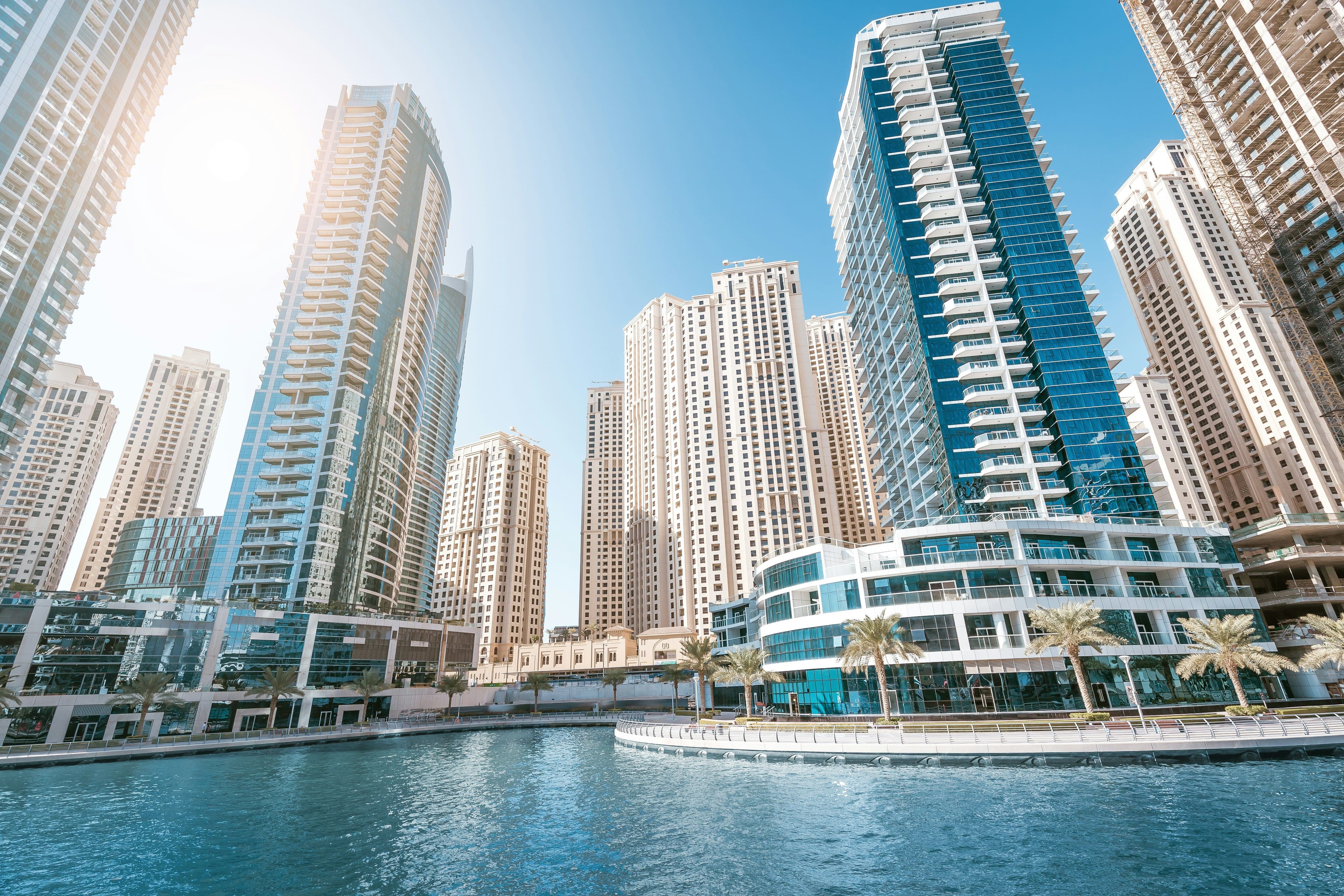
Dubai's real estate market stands at a pivotal crossroads as it heads into 2026. After recording over AED 431 billion in residential transactions during the first half of 2025 alone—a 25% increase year-on-year—investors are asking the critical question: what's next?
This comprehensive forecast examines the latest data from leading research firms including Knight Frank, Savills, Fitch Ratings, and official Dubai Land Department statistics to help you make informed investment decisions for 2026 and beyond.
Market Performance: Where We Stand in 2025
Dubai's property market has delivered exceptional returns since 2022, with residential prices surging approximately 60% through Q1 2025. This growth was driven by post-pandemic migration, investor demand, and Dubai's positioning as a global safe haven for capital.
According to Knight Frank's Q3 2025 report, aggregate residential transaction volumes for the year exceeded AED 310 billion (approximately $84 billion), representing one of the highest totals ever recorded. Average property values rose by 2.5% during Q3 alone, extending an unbroken run of quarterly growth that began in late 2020.
The luxury segment has been particularly robust, with 103 homes selling for more than $10 million in Q3 2025—a 24% increase compared to the same period in 2024. Prime neighbourhood prices now average AED 3,767 per square foot, marking an 8.4% increase year-on-year and a remarkable 140% uplift since Q1 2019.
2026 Price Forecast: What the Experts Predict
Conservative Outlook: Fitch Ratings
Fitch Ratings has issued a notably cautious forecast, predicting a moderate price correction of up to 10-15% beginning in late 2025 and extending through 2026. This projection is primarily driven by the anticipated supply wave—approximately 250,000 units scheduled for delivery between 2023 and 2026, with a peak of 120,000 units expected in 2026 alone.
However, Fitch emphasises this represents market normalisation rather than a crash. The rating agency notes that prime locations will remain more resilient, and UAE banks and developers have "solid ability to tolerate risks" given improved leverage and reduced real estate exposure in lending portfolios.
Moderate Growth Outlook: Knight Frank
Knight Frank's research team projects continued price stability through 2026, with their "house view" underpinned by robust international HNWI (High Net Worth Individual) demand for premium homes, continued inflows of global wealth, and a deepening pool of resident investors.
The consultancy's best-case scenario assumes 70% of registered housing starts will be delivered on time, equating to approximately 66,000 homes annually between 2026 and 2030—still ahead of the long-term completion rate of 36,000 units per year.
Optimistic Outlook: Savills
Savills maintains a bullish perspective, having ranked Dubai number one globally for prime residential capital value growth. Their research projects prime values to rise an additional 4-5.9% in the second half of 2025, with strong momentum expected to continue into 2026.
According to Savills' Spotlight on Wealth Trends 2025 report, Dubai leads worldwide for high-net-worth individual migration, with Henley & Partners forecasting 9,800 millionaires to relocate to the UAE in 2025 alone.
Supply Pipeline: The 2026 Delivery Wave
Understanding the supply dynamics is crucial for 2026 investment decisions. Here's what the data reveals:
Projected Deliveries
Approximately 99,686 new apartment units and 15,284 villas are scheduled for delivery in 2026, with total handovers potentially reaching 120,000 units. This represents a significant increase from 30,000 units delivered in 2024 and 90,000 projected for 2025.
Historical Completion Rates
However, historical patterns suggest actual deliveries will likely be lower. Between 2022-2024, only 97,000 of the projected 174,000 units were actually completed—a completion rate of just 56%. Knight Frank and other analysts expect similar delays, potentially reducing the 2026 supply wave to 60,000-70,000 units.
Villa Scarcity Continues
The villa market presents a distinctly different outlook. With only 15,284 villas scheduled for 2026 and 5,631 for 2027, supply remains severely constrained compared to apartment inventory. Villa prices have more than doubled since 2020, and this segment is expected to continue outperforming due to limited new supply and sustained demand from high-net-worth buyers.
Rental Yields: Where Returns Remain Strong
Dubai continues to offer some of the world's most attractive rental yields, significantly outperforming global cities like London (3.5%) and New York (3.9%).
Current Yield Performance
As of September 2025, the average rental yield in Dubai stands at 6.76%, with apartments averaging 7.12% and villas at 4.92%. However, location and property type create significant variations:
Highest-Yielding Areas for Apartments:
- Dubai Investment Park (DIP): 10.50%
- Dubai Sports City: 8.91%
- Al Furjan (studios): 8.51%
- Jumeirah Village Circle (JVC): 7.87%
- Jumeirah Lake Towers (JLT): 8%+ for studios
- International City: 9-15% for studios
Premium Areas with Stable Yields:
- Downtown Dubai: 5-7%
- Dubai Marina: 6-8%
- Business Bay: 6.66%
- Palm Jumeirah: 5.3% (with strong capital appreciation)
Rental Market Outlook
According to Savills, Dubai is expected to lead global rental growth with a projected increase exceeding 10% for prime properties. However, as new supply enters the market in 2026, rental growth may moderate to 3-5% in established communities, while emerging areas continue to offer higher yields.
Population Growth: The Demand Driver
Dubai's population dynamics remain the fundamental driver of real estate demand. According to the Dubai Statistics Center, the population exceeded 4 million in September 2025—marking the fastest growth rate in the city's history.
S&P Global Ratings projects continued population growth driven by:
- Strong expatriate inflows for employment and investment
- Business-friendly regulations and simplified visa regimes
- Success of long-term residency visas including the Golden Visa
- Dubai's positioning as a regional hub for finance, tourism, and trade
The government's Dubai 2040 Urban Master Plan targets 7.8 million residents by 2040, requiring an estimated 37,600 to 87,700 new homes annually to meet demand.
Golden Visa: The Investment Catalyst
The UAE Golden Visa programme continues to be a major driver of real estate investment. Property buyers who invest AED 2 million or more qualify for a 10-year renewable residence visa with significant benefits:
- Family inclusion: Spouse and children (regardless of age) plus parents can be sponsored
- No sponsor required: Complete independence from employment sponsorship
- Unlimited exit: Stay outside UAE indefinitely without losing residency status
- Zero tax: No income tax, capital gains tax, or inheritance tax on worldwide income
- Banking access: Qualify for UAE bank accounts and business formation
For investors who don't meet the AED 2 million threshold, Dubai now offers 2-year and 5-year residency visas for property investments starting at AED 750,000.
Off-Plan Market: Opportunities for 2026
Off-plan properties continue to dominate Dubai's market, accounting for approximately 70% of all residential transactions in H1 2025. The segment offers distinct advantages for 2026 investors:
Lower Entry Points
Off-plan properties are typically priced 10-20% below completed market values, with developers offering competitive launch pricing. According to industry data, off-plan investments can yield up to 30% capital appreciation before handover.
Flexible Payment Plans
Developers continue to offer attractive payment structures including:
- 1% monthly plans: Pay just 1% of property price each month
- 60/40 plans: 60% during construction, 40% at handover
- Post-handover plans: Extended payment terms up to 3-5 years after completion
- Milestone-linked plans: Payments tied to construction progress
All payments are protected through Dubai Land Department (DLD) escrow accounts, ensuring buyer security throughout the construction period.
Prime Investment Areas for 2026
For High Rental Yields
Jumeirah Village Circle (JVC): Consistently delivers 7-8% yields with affordable entry prices starting around AED 450,000 for studios. The community-centric design appeals to families and young professionals, ensuring strong occupancy rates.
Dubai South: Positioned near Al Maktoum International Airport and the Expo 2020 site, this emerging hub offers 8-12% rental yields with significant long-term appreciation potential as infrastructure develops.
Arjan: An emerging district with studio yields reaching 8.51% and average property prices of approximately AED 266,392—significantly below most Dubai areas.
For Capital Appreciation
Dubai Hills Estate: Knight Frank reports rental values increased 33.8% year-on-year—the highest growth rate across Dubai communities. The golf course community offers villas yielding 5-7% with strong capital appreciation.
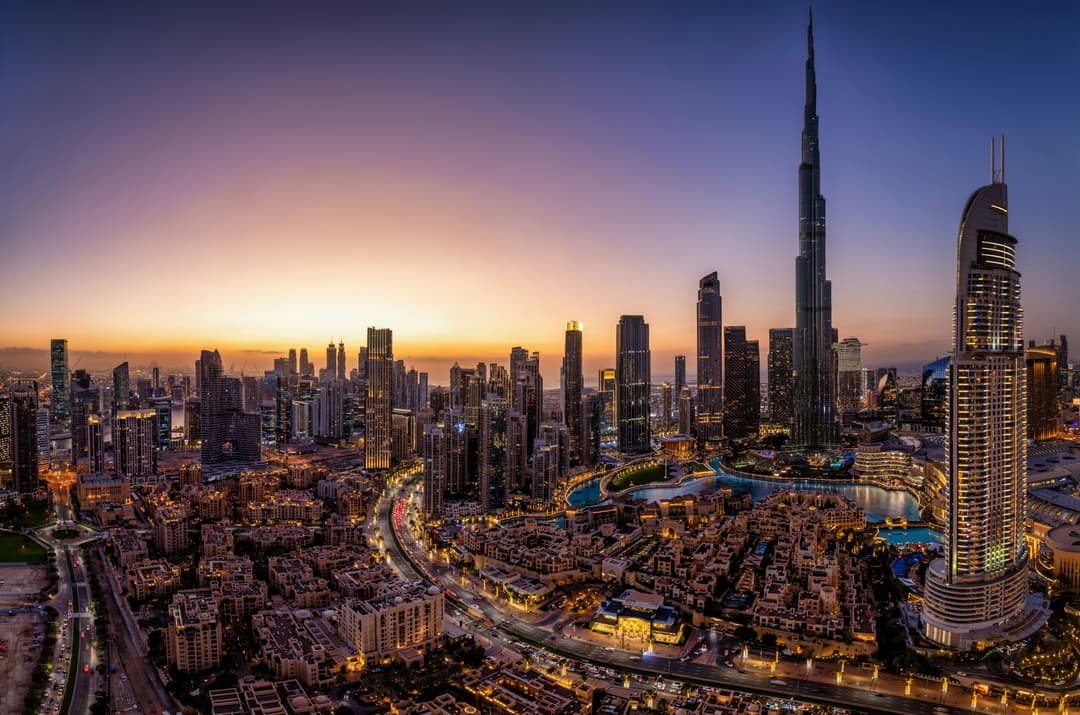
Dubai Creek Harbour: Waterfront properties with stunning views of the Dubai Creek Tower and Downtown skyline continue to see strong capital gains and investor interest.
Palm Jumeirah: Despite some market cooling, ultra-luxury waterfront properties remain in high demand with limited supply. The segment attracts long-term investors with higher tolerance for price fluctuations.
For Balanced Returns
Business Bay: Central location near Downtown Dubai and DIFC delivers 6.66% yields with strong professional tenant demand. The area saw 88.7% cash transactions, indicating stable investor confidence.
Dubai Marina: Consistent yields of 6-8% with balanced performance across property sizes. The waterfront lifestyle and dining scene attract both residents and tourists.
Key Risks and Considerations
Supply Absorption
The projected 16% average increase in supply during 2025-2027 exceeds forecast population growth of approximately 5%. While construction delays historically moderate this gap, certain mid-market areas may experience price softening.
Market Segmentation
Performance will vary significantly by segment. Prime and luxury properties—particularly villas and waterfront developments—are expected to remain resilient, while oversupplied apartment categories in secondary locations may face pressure.
Global Economic Factors
Knight Frank identifies global economic slowdown as the highest risk to Dubai's property market. Oil price volatility and regional competition also merit monitoring, though Dubai's economic diversification provides significant buffers.
Strategic Recommendations for 2026 Investors
For Rental Income Focus
Target high-yield areas like JVC, Arjan, and Dubai South with smaller units (studios and 1-bedrooms) that consistently outperform larger properties in yield terms. Consider furnished units, which can command 10-25% higher rents.
For Capital Appreciation
Focus on prime locations with limited supply—particularly villas in established communities and waterfront properties. The luxury segment above AED 10 million continues to attract strong HNWI demand.
For Golden Visa Benefits
Properties at the AED 2 million threshold offer both residency benefits and solid investment fundamentals. Consider communities like Dubai Hills Estate, Business Bay, or off-plan opportunities in premium developments.
For Risk Management
Prioritise reputable developers with proven delivery track records. Verify project registration with the Dubai Land Department through the Oqood system. Consider ready properties if timing flexibility is limited.
The Bottom Line: 2026 Outlook
Dubai's real estate market is transitioning from exceptional growth to sustainable stability. While a moderate price correction is possible—particularly in oversupplied segments—the fundamental drivers remain compelling:
- Population growth exceeding 4 million with a trajectory toward 5 million by 2030
- Continued HNWI migration positioning Dubai among the world's top wealth destinations
- Zero property, income, and capital gains taxes
- Golden Visa programme driving investment flows
- Strong rental yields outperforming global benchmarks
- Dubai 2040 Urban Master Plan providing long-term development vision
For investors with appropriate risk tolerance and long-term horizons, 2026 may present attractive entry opportunities as the market recalibrates. The key lies in strategic location selection, developer due diligence, and alignment with your investment objectives—whether rental income, capital growth, or residency benefits.
Frequently Asked Questions
Will Dubai property prices drop in 2026?
According to Fitch Ratings, Dubai property prices may experience a moderate correction of up to 10-15% during late 2025 into 2026. However, this is considered a market normalisation after 60% growth since 2022, not a crash. Prime locations like Palm Jumeirah and Downtown Dubai are expected to remain resilient due to limited supply and strong demand from high-net-worth investors.
How many new properties will be delivered in Dubai in 2026?
Approximately 99,686 new apartment units and 15,284 villas are expected to be delivered in 2026, with the total handover potentially reaching 120,000 units. However, historical delivery rates suggest 30-40% of projects may face delays, meaning actual completions could be closer to 60,000-70,000 units.
What are the rental yields in Dubai for 2025-2026?
Dubai offers average rental yields of 6.76%, with apartments averaging 7.12% and villas at 4.92%. High-yield areas include Dubai Investment Park (10.50%), Dubai Sports City (8.91%), Jumeirah Village Circle (7.87%), and Al Furjan (8.51% for studios). These yields significantly outperform global cities like London (3.5%) and New York (3.9%).
Is 2026 a good time to invest in Dubai real estate?
2026 presents strategic opportunities for investors. While a moderate price correction may create better entry points, Dubai's fundamentals remain strong: population growth exceeding 4 million, continued HNWI migration, no property taxes, and Golden Visa benefits for investments of AED 2 million or more. The market is transitioning from rapid growth to sustainable stability, making it ideal for long-term investors focused on rental income and gradual appreciation.
What are the best areas to invest in Dubai in 2026?
Top investment areas for 2026 include: Jumeirah Village Circle (JVC) for high yields (7-8%) and affordability; Dubai Hills Estate for family-friendly communities with strong appreciation; Business Bay for central location and professional tenant demand; Palm Jumeirah for luxury resilience; and Dubai South for future growth near Al Maktoum Airport. Off-plan properties continue to offer attractive entry prices and flexible payment plans.
Ready to Invest in Dubai Real Estate?
Navigating Dubai's dynamic property market requires expert guidance and local market knowledge. Whether you're seeking high-yield rental properties, luxury investments, or Golden Visa-qualifying opportunities, our team at Primadom can help you make informed decisions.
Explore our current listings:
Looking for specific communities? Browse our area guides:
For personalised investment advice and market insights, contact our investment advisory team or call us at +971 4 572 3628.